
Safety Guide
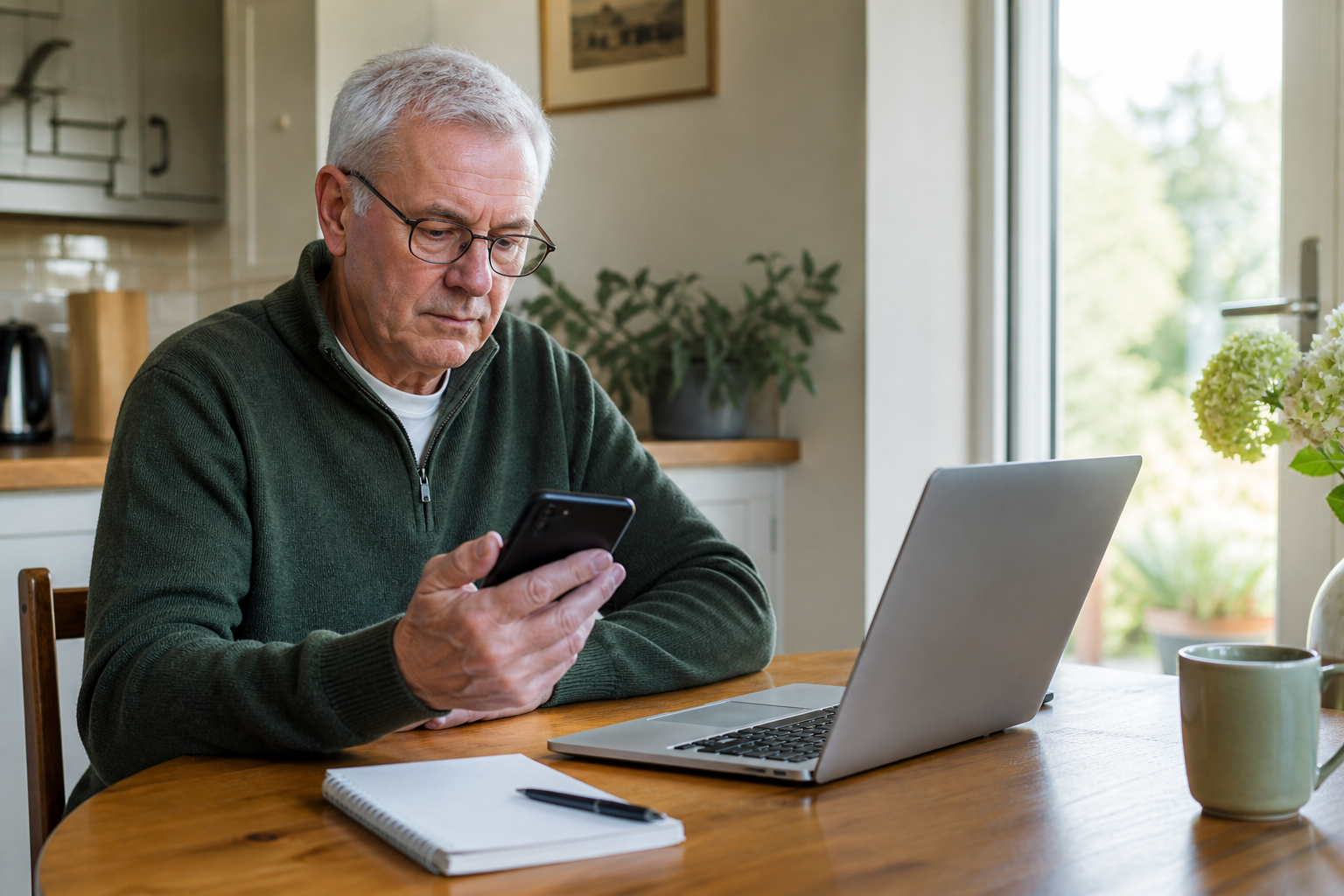
A sudden warning on your laptop can feel very convincing, especially if it says your computer is infected, starts making noise, or tells you to call a support number straight away.
The reassuring truth is that these warnings are often part of a scam. The aim is usually to frighten you into calling, paying, or handing control of your device to someone you do not know.
The simple version: do not call the number, do not click the warning, close the browser if you can, restart the device if needed, and only get help from a trusted person or official support route.
This guide explains how to recognise a fake warning, what to do in the moment, and what steps matter most if you have already called or allowed remote access.
Why these pop-ups feel so real
Fake security warnings are designed to create panic. They often use large red messages, countdowns, siren sounds, or a voice telling you your computer has been blocked.
Some even mention well-known companies such as Microsoft or say your files, passwords, or bank details are at risk. That does not make them genuine.
Important: Microsoft says genuine error messages do not include a phone number for you to call. An urgent number on the screen is one of the clearest warning signs.
Signs the warning is probably a scam
- It tells you to call a number immediately.
- It says do not turn off or close your computer.
- It claims to be from Microsoft, Apple, or another big company without you asking for help first.
- It appears inside a web browser rather than your normal security app.
- It asks for payment, card details, passwords, or remote access.
If the message appeared after clicking a link or opening an unfamiliar website, that is another clue that it may be a fake support scam rather than a real built-in warning.
What to do straight away
- Do not call the number.
- Do not click buttons on the warning unless you are simply closing the browser tab or window.
- Try to close the browser window. On a Windows PC, Alt + F4 can help if the mouse is not cooperating.
- If the browser will not close, restart the device.
- Once the computer restarts, avoid reopening the same suspicious page.
After that, open only trusted places such as your normal browser homepage, the official Microsoft or Apple support site, or a security app you already know.
Calm reminder: a frightening pop-up is not proof that the computer is ruined. In many cases, closing the page safely is enough to stop the immediate scare tactic.
What not to do
- Do not give your bank details or card number.
- Do not share passwords or one-time passcodes.
- Do not install software because the pop-up tells you to.
- Do not let a stranger take remote control of your computer.
Scammers often sound patient and professional on the phone. That is part of the trick. A calm voice does not make the request safe.
If you already called the number
Do not blame yourself. These scams are designed to catch people off guard. Focus on the next practical steps instead.
- End the call.
- Disconnect the device from the internet if someone is still connected remotely.
- Restart the computer.
- Change important passwords from a different trusted device if you shared any login details.
- Contact your bank or card provider immediately if you paid or gave payment details.
- Run a security scan and check for updates using your device’s official tools or a trusted security app.
If you are unsure whether any accounts are still signed in somewhere they should not be, our guide on checking which devices are signed in to your email account is a useful next check.
How to check the computer afterwards
Once the pop-up is gone, it is sensible to do a few ordinary checks:
- Update the device from its normal settings, not from an advert or web page.
- Run your usual security scan if you already use one.
- Look for unfamiliar programs only if someone asked you to install remote-access software.
- Check your browser opens normally and is not forcing the same warning again.
If you have not switched on updates yet, our guide on turning on automatic updates explains why that matters.
If the computer still behaves oddly after the restart, or if you allowed remote access, it is worth getting proper help rather than guessing. That is especially true if the device is also used for email, shopping, or online banking.
How families can help an older relative
These warnings often upset people because they sound official and urgent. A family member can help most by slowing the situation down.
- Tell them not to call the number.
- Help them close the browser or restart the device.
- Ask whether any card details, passwords, or codes were shared.
- Check the device together afterwards rather than leaving them worried.
If you also want to strengthen the device itself, our guide on locking a phone or tablet properly can help with another simple layer of protection around everyday accounts.
When to report it
It helps to report scam pages so they can be investigated and blocked more quickly. The National Cyber Security Centre provides guidance on reporting suspicious websites and other scam messages, and Microsoft also offers a reporting route for support scams.
If money was taken, contact your bank first. If login details were shared, change those details from a trusted device as soon as possible.
When one-to-one support is worth it
If a fake warning has left you unsure what was clicked, whether the computer is safe, or whether somebody installed something in the background, patient one-to-one help can save a lot of worry.
Simply Tech Support can help check a laptop, remove confusion after scam pop-ups, update devices properly, review account safety, and give calm support at home without jargon. You can read more on the Simply Tech Support services page.