Helpful Guide
WhatsApp is useful for family messages, photos, appointments, and day-to-day chats, but many people are not quite sure who can see what. If your profile photo, online status, or group invites feel a bit too public, the good news is that you can tighten things up in a few minutes.
This guide explains the main privacy settings in plain English, where to find them, and which changes are often most helpful for independent clients and families who want a calmer, more private setup.
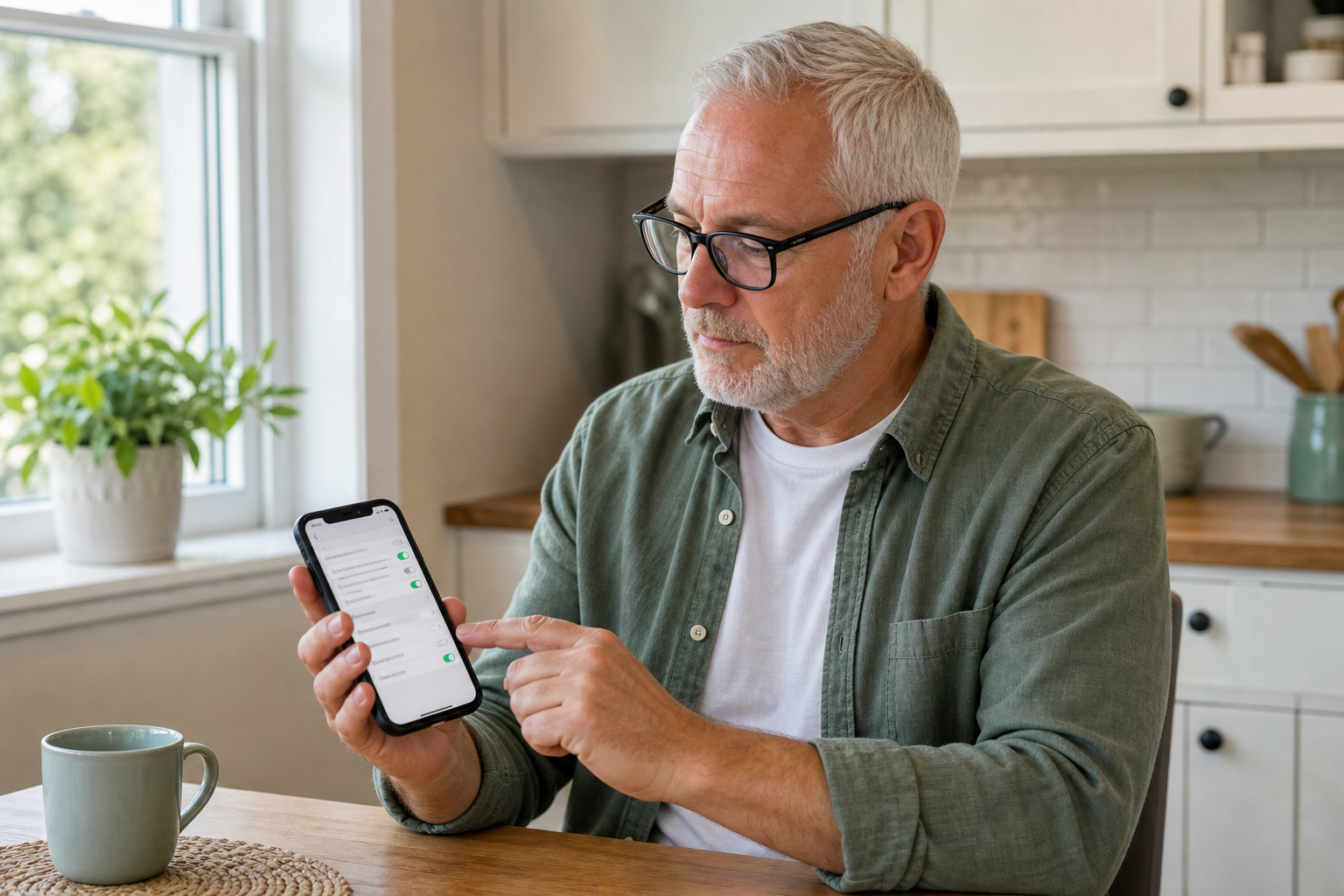
The simple version: open WhatsApp > Settings > Privacy, then review who can see your last seen and online, profile photo, about, status, and who can add you to groups. If someone is making you uncomfortable, block or report them instead of replying.
Start with Privacy Checkup if you want the easiest route
WhatsApp now includes a Privacy Checkup area that walks you through the most important choices. If you would rather not hunt around menu by menu, this is a good place to begin.
- Open WhatsApp.
- Go to Settings. On some Android phones you may need to tap the three dots first.
- Tap Privacy.
- Look for Privacy Checkup and work through the sections one at a time.
You do not need to change everything at once. Even two or three small adjustments can make WhatsApp feel much more comfortable.
No need to rush: privacy settings are personal. The aim is not to hide from everyone. It is simply to share less with strangers and keep more control over who can see your details.
Choose who can see your profile photo, about, and last seen
These are the settings many people care about most, because they affect what other people can see before you have even started a conversation.
Inside Settings > Privacy, look for options such as Profile photo, About, and Last seen and online. WhatsApp generally lets you choose from options such as Everyone, My contacts, or My contacts except…
- Profile photo: a sensible choice for many people is My contacts.
- About: keep this simple, or limit it to My contacts.
- Last seen and online: if you do not want everyone knowing when you were active, choose a more private option than Everyone.
If you often receive messages from unknown numbers, changing these settings can make your account feel immediately less exposed.
Good default: many independent clients are happiest with My contacts for profile photo and about, plus a more private setting for last seen and online.
Decide whether to keep read receipts on
Read receipts are the blue ticks that show when a message has been read. Some people like them. Others find them tiring or intrusive.
- If you leave read receipts on, people can usually see when you have read their message.
- If you turn read receipts off, you usually will not see theirs either.
This is not about being rude. It is about choosing how much pressure you want around messaging. If you feel you must answer straight away because the blue ticks show, turning them off may help.
Check your Status privacy as well
WhatsApp Status works a bit like a short update that disappears later. It can include text, photos, or video, so it is worth checking who can see it.
- Open WhatsApp Settings.
- Tap Privacy, then Status.
- Choose who can view your status updates.
If you rarely use Status, you may prefer to keep it limited to close contacts only. That avoids sharing personal photos or updates more widely than you intended.
Stop unwanted group adds
Group chats can be helpful, but they can also become noisy or awkward if people add you without asking. WhatsApp lets you control who can add you to groups.
In Settings > Privacy, check the Groups setting and choose the option that feels right for you.
- If you want the most open setting, leave it broad.
- If you want more control, choose an option that limits group adds to your contacts or excludes particular people.
This is especially helpful if you have ever been added to a sales group, a distant community group, or a chat you did not really want to join.
Important: being polite does not mean you have to stay available to everyone. If a group is unwanted, it is reasonable to tighten the setting so people need more permission before adding you.
Block or report people instead of arguing with them
If a number is bothering you, sending suspicious messages, or pretending to be someone else, you do not need to keep replying. WhatsApp allows you to block someone so they cannot continue contacting you, and you can also report them if the content is problematic.
- Block if you want the contact to stop messaging or calling you on WhatsApp.
- Report if the message seems fraudulent, abusive, or impersonating someone.
If a message included a strange link and you already tapped it, our guide on what to do after tapping a suspicious link on your phone is a useful next step.
Settings you do not need to overthink
It is easy to fall into endless tweaking. For most people, the biggest privacy wins come from just a few areas:
- Profile photo
- Last seen and online
- Read receipts
- Status
- Groups
- Block or report when needed
If those are set in a way that feels comfortable, you have already done the main work.
A calm setup is better than a perfect one
Privacy settings do not need to be complicated to be useful. The goal is not to make WhatsApp difficult. It is to make it feel safer, less intrusive, and easier to use with confidence.
If you are also changing phones, our guide on keeping your WhatsApp chats when changing phones may help with the next part of the setup.
When patient support can help
Many people know how to open WhatsApp but still feel unsure once the menus start asking about last seen, online, status, and group permissions. That is normal. These are small settings, but they affect how private and peaceful your phone feels every day.
Simply Tech Support helps independent clients and families with WhatsApp, phones, tablets, privacy settings, scam checks, and calm one-to-one help at home. You can read more on the Simply Tech Support services page.